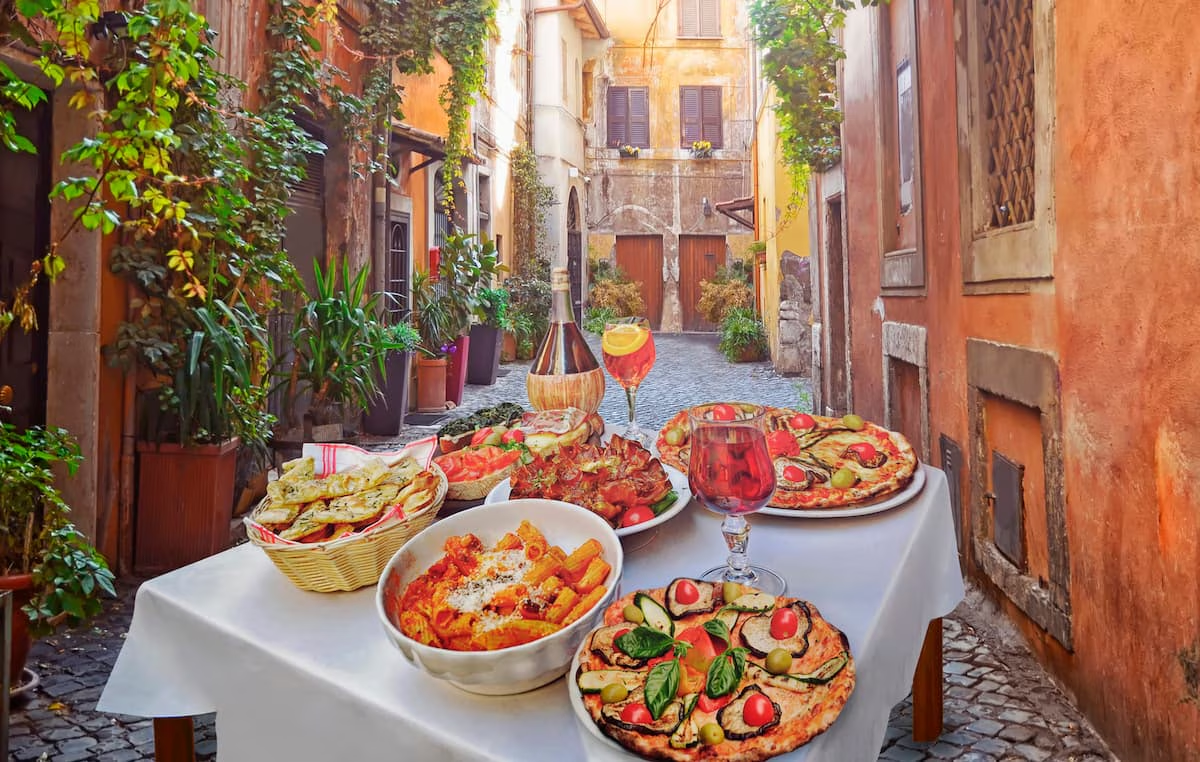
Picture this: I’m wandering the cobbled streets of Rome on my first trip to Italy, starving after a long flight, and I duck into a tiny trattoria expecting the spaghetti and meatballs I’d grown up loving back home. The waiter gives me a puzzled look when I ask for it, and that’s when I learned my first hard lesson about authentic Italian cuisine. It turns out so much of what we think we know about Italian food is wrapped in myths and adaptations from abroad. If you’re a gourmet lover like me, always chasing that perfect bite, these surprising facts will flip your perspective on Italy’s culinary world. We’ll dive deep into the history, traditions, and quirks that make Italian food endlessly fascinating—without the fluff, just pure, flavorful insights to elevate your next meal or trip.
Fact 1: Spaghetti and Meatballs Isn’t an Authentic Italian Dish
Imagine my embarrassment that day in Rome—I thought spaghetti drowned in sauce with giant meatballs was the epitome of Italian comfort food. But in reality, Italians treat pasta and meatballs as separate entities, never combining them on one plate. Meatballs, or polpette, are often served as a second course with vegetables or in soup, while pasta stands alone with lighter sauces to let the noodles shine.
Why This Combo Evolved Abroad
This beloved dish actually blossomed in early 20th-century America, where Italian immigrants adapted recipes to suit abundant meat supplies and bigger portions. It became a symbol of hearty family meals, but back in Italy, it’s seen as an over-the-top invention. If you’re craving the real deal, try ragù alla Bolognese instead— a slow-simmered meat sauce over tagliatelle.
Regional Twists on Pasta and Meat
In southern Italy, tiny meatballs might appear in wedding soups, but never atop spaghetti. Northern regions favor richer sauces, yet the separation rule holds firm.
Fact 2: Tomatoes Weren’t Part of Italian Cuisine Until the 16th Century
I still chuckle thinking about how tomatoes, that quintessential red sauce base, were once eyed with suspicion in Italy. Brought from the Americas by Spanish explorers, they arrived around 1548 but weren’t embraced for cooking until the late 1700s due to fears they were poisonous—earning the nickname “poison apple.”
The Slow Rise of the Tomato
Initially grown as ornamental plants, tomatoes transformed Italian dishes once peasants started using them in sauces. Naples led the charge, pairing them with pizza and pasta, revolutionizing what we now call classic Italian flavors. Before that, sauces relied on olive oil, garlic, and herbs.
Impact on Modern Italian Recipes
Today, San Marzano tomatoes from Campania are prized for their sweetness in authentic marinara. Without this New World import, iconic dishes like pomodoro sauce wouldn’t exist.
Fact 3: Cappuccino Is Strictly a Morning Drink
On a chilly morning in Milan, I ordered a cappuccino after lunch and got a raised eyebrow from the barista—it felt like I’d committed a faux pas. Italians view milky coffees as breakfast fuel, never after 11 a.m., because milk is thought to hinder digestion post-meal.
The Logic Behind the Rule
This stems from Italy’s focus on light, balanced eating; espresso or macchiato aids digestion after heavier lunches. Cappuccino’s foam and milk are too filling later in the day. Tourists often ignore this, but locals stick to it religiously.
Alternatives for Afternoon Caffeine
Opt for an espresso or caffè corretto (spiked with grappa) instead. It’s a simple swap that immerses you in true Italian coffee culture.
Fact 4: No Parmesan Cheese on Seafood Pasta
I once grated Parmesan over a seafood linguine in Venice, and my Italian friend gently stopped me—it masks the delicate fish flavors, they explained. In Italy, cheese and seafood are a no-go, as the strong dairy overpowers the sea’s subtle brininess.
Roots of This Culinary Taboo
This rule protects the integrity of ingredients; Pecorino might work on land-based pastas, but never with fruits of the sea. Coastal regions like Liguria emphasize this with pesto-based seafood dishes.
Best Pairings for Seafood Pasta
Try lemon, garlic, and chili instead. It keeps things fresh and lets the ocean shine through.
Fact 5: Pizza Margherita Was Named After a Queen
Biting into a simple Margherita in Naples, I felt connected to history—it was created in 1889 for Queen Margherita of Savoy, with toppings mimicking Italy’s flag: red tomatoes, white mozzarella, green basil. The queen loved it, and a legend was born.
The Birth of Modern Pizza
Pizza predates this, but the Margherita elevated it from street food to national icon. Naples’ wood-fired ovens are key to its charred, chewy crust. UNESCO even recognized Neapolitan pizza-making as cultural heritage.
Variations Across Italy
In Rome, pizzas are thinner and crispier, while Sicilian versions are thicker. Stick to basics for authenticity.
Fact 6: Dipping Bread in Olive Oil Isn’t Italian
At a dinner in Tuscany, I reached for the bread basket expecting balsamic and oil— but Italians just eat bread plain or use it to “scarpetta” (mop up) sauce from plates. The dipping trend started in American Italian restaurants.
Why Italians Skip the Dip
Bread complements meals, not stars as an appetizer. Olive oil is for cooking or drizzling, not casual dipping. It keeps focus on the main courses.
Authentic Ways to Enjoy Italian Bread
Use it for bruschetta with tomatoes or to soak up pasta remnants. Simple and satisfying.
Fact 7: Italy Boasts Over 2,500 Varieties of Cheese
Sampling cheeses at a market in Parma, I was overwhelmed—Italy produces more cheese types than any country, from creamy burrata to sharp Pecorino. Over 500 are commercially recognized, showcasing regional milks and aging techniques.
Cheese Diversity by Region
Northern Italy favors cow’s milk like Gorgonzola, while sheep’s milk dominates the south in ricotta. Each tells a story of local terroir.
Pairing Suggestions for Gourmet Lovers
Match Prosecco with mild Asiago or Chianti with aged Parmesan. It’s a cheese lover’s paradise.
Fact 8: Pasta Was Originally Eaten Sweet
Early pasta recipes from medieval Italy included sugar, cinnamon, and cheese—more dessert than dinner. Savory versions emerged later with tomatoes and herbs.
Evolution from Sweet to Savory
Renaissance cookbooks show sweet pasta for nobility; the masses adopted savory as ingredients evolved. Today, echoes remain in dishes like macaroni with honey.
Modern Sweet Pasta Experiments
Try kugel-inspired versions or chocolate ravioli for a twist on history.
Fact 9: The Aperitivo Ritual Opens the Appetite
Sipping an Aperol Spritz in Milan before dinner, I realized aperitivo isn’t just drinks—it’s a social prelude with light bites to stimulate hunger. From Roman times, it’s about mingling and prepping for the meal.
Key Elements of Aperitivo
Bitter liqueurs like Campari “open” the stomach; pair with olives or prosciutto. Northern Italy excels at this evening custom.
Where to Experience Authentic Aperitivo
Head to bars in Turin or Milan for the best spreads. It’s affordable and communal.
Comparing Italian Regional Cuisines: North vs. South
Italian food varies wildly by region, reflecting landscapes and history. Here’s a quick comparison:
| Aspect | Northern Italy | Southern Italy |
|---|---|---|
| Staples | Butter, rice, polenta | Olive oil, pasta, tomatoes |
| Proteins | Beef, veal, cheeses | Seafood, lamb, mozzarella |
| Flavors | Rich, creamy sauces | Fresh, spicy, herbal |
| Iconic Dish | Risotto alla Milanese | Pizza Napoletana |
Northern fare feels heartier, suited to cooler climates, while southern is lighter and veggie-forward. Both emphasize seasonality.
Pros and Cons of the Italian Mediterranean Diet
The Italian way of eating, part of the Mediterranean diet, has fans worldwide for its health benefits.
Pros
- Heart-healthy with olive oil and veggies reducing cholesterol.
- Promotes longevity—Italians have high life expectancies.
- Delicious variety keeps it sustainable.
- Social aspect encourages mindful eating.
Cons
- High carb intake from pasta might not suit low-carb dieters.
- Wine inclusion could tempt overindulgence.
- Fresh ingredients can be pricey outside Italy.
- Time-intensive prep for home cooks.
Overall, it’s balanced and joyful, outweighing drawbacks for most.
People Also Ask: Common Questions About Italian Food Facts
Drawing from popular searches, here are real questions gourmet lovers often have, with quick answers.
What Is a Fun Fact About Italian Food?
Italians consume about 60 pounds of pasta per person annually—more than triple the American average! It’s a staple, but portions are smaller than you’d think.
What Makes Italian Food Special?
Its regional diversity and focus on fresh, simple ingredients. Each area has unique dishes tied to local produce, like truffles in Piedmont.
Is Pizza Really Italian?
Yes, but modern pizza hails from Naples in the 18th century. Earlier flatbreads existed, but tomatoes made it iconic.
Where to Get Authentic Italian Ingredients?
For navigational help, try specialty stores like Eataly or online from igourmet.com. In Italy, visit markets in Bologna for the freshest.
Best Tools for Making Italian Food at Home?
Transactional tip: Invest in a pasta maker like the Marcato Atlas (around $80) or a wood-fired pizza oven replica. For basics, a good olive oil press or cheese grater elevates everything.
FAQ: Answering Your Burning Italian Food Questions
Why Don’t Italians Mix Cheese and Fish?
It overpowers the delicate seafood flavors. Stick to lemon or herbs for balance.
How Many Pasta Shapes Exist in Italy?
Over 400, each designed for specific sauces— from tube-like rigatoni for chunky ragù to thin capellini for light broths.
Is Italian Food Always Healthy?
Mostly, thanks to veggies and olive oil, but indulgences like fried arancini add calories. Moderation is key.
What’s the Difference Between Italian and Italian-American Food?
Italian-American is heavier with more sauce and meat; authentic Italian is simpler and ingredient-focused.
Where Can I Learn More About Italian Cooking?
Check internal links to recipes on allrecipes.com/italian or external like Marcella Hazan’s classics on Amazon.
In wrapping up, these facts remind me why Italian food captivates—it’s rooted in history yet endlessly adaptable. Whether you’re planning a trip to taste Neapolitan pizza firsthand or experimenting at home, let these insights guide you. Buon appetito, and may your gourmet adventures be as flavorful as mine have been.