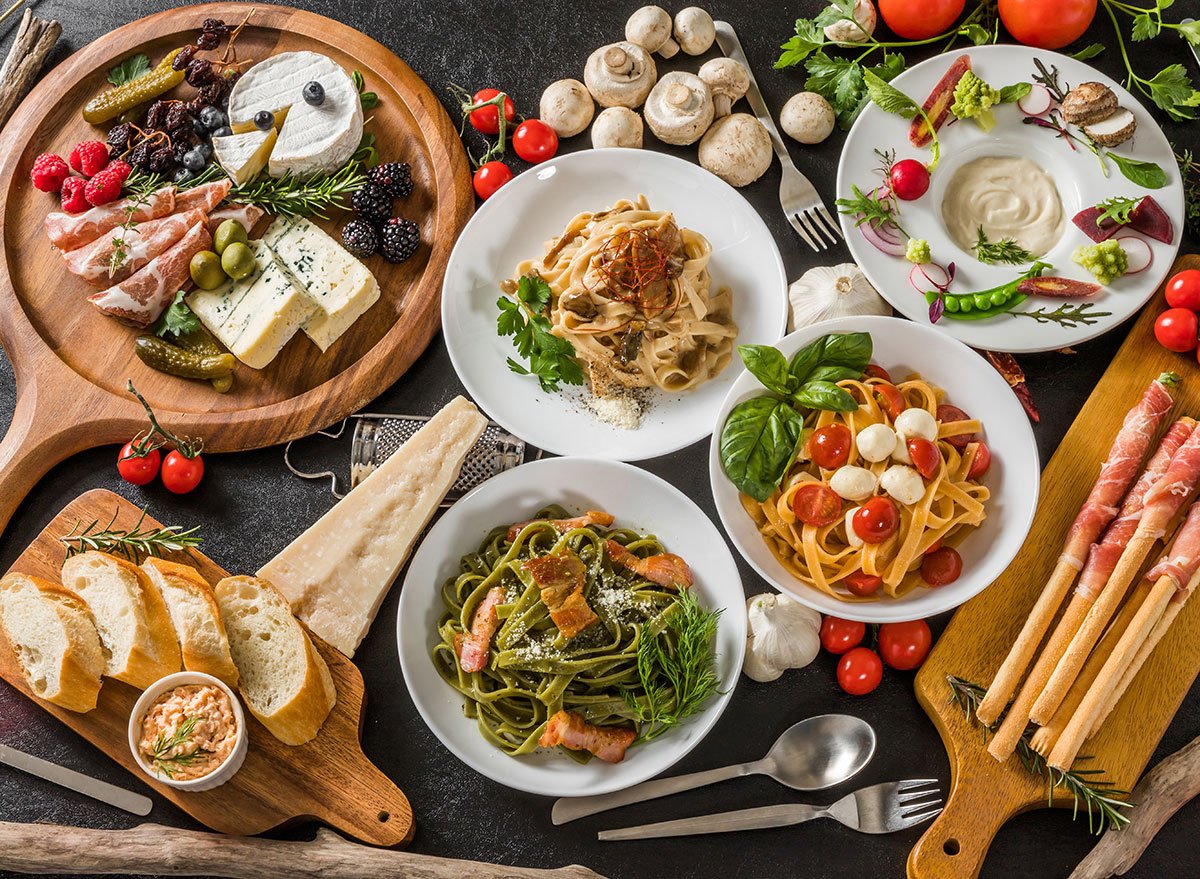
Picture this: I’m wandering the narrow cobblestone streets of Naples on a warm summer evening, the air thick with the scent of fresh basil and simmering tomatoes. It was my first trip to Italy years ago, and I stumbled into a tiny trattoria where the owner, a jovial nonna with flour-dusted hands, served me a simple margherita pizza that changed everything I thought I knew about food. That moment hooked me on authentic Italian cuisine—not the heavy, cheese-smothered versions we often see elsewhere, but the real deal, where every bite tells a story of tradition, region, and passion. In this article, we’ll dive deep into what makes Italian food so irresistible, from its humble roots to the dishes that define it, all while sharing tips to bring a slice of Italy into your own kitchen.
The Roots of Authentic Italian Cuisine
Italian food isn’t just about eating; it’s a celebration of life, family, and the land. Born from ancient Roman influences and shaped by regional diversity, it emphasizes fresh, seasonal ingredients like olive oil, tomatoes, and herbs that grow abundantly across the peninsula. Think of it as a mosaic—each piece, from Sicily’s seafood to Tuscany’s hearty meats, fitting together to create something timeless and comforting.
A Brief History That Tastes Like Home
The story starts way back with the Etruscans and Greeks, who introduced grains and olives, but it exploded during the Renaissance when explorers brought back tomatoes and potatoes from the New World. By the 19th century, unification blended these elements into what we recognize today, though regions fiercely guard their specialties. I remember biting into my first authentic ragù in Bologna and feeling that slow-cooked depth—it’s history on a plate, simple yet profound.
Why Authenticity Matters in Every Bite
Chasing authenticity means ditching processed shortcuts for real techniques, like hand-rolling pasta or using DOP-certified cheeses. It’s not snobbery; it’s about honoring the farmers and artisans who make it possible. Fake versions might satisfy a craving, but the genuine article? It transports you, evoking sun-drenched vineyards and lively piazzas with every forkful.
Iconic Pasta Dishes That Define Italy
Pasta is Italy’s heartbeat, with over 300 shapes each designed for specific sauces to maximize flavor and texture. From silky strands to sturdy tubes, it’s all about balance—al dente bite meeting rich, minimalistic toppings. Mastering these at home feels like unlocking a secret, turning weeknights into feasts.
Spaghetti alla Carbonara: Creamy Without Cream
This Roman classic mixes guanciale (cured pork cheek), eggs, Pecorino Romano, and black pepper for a velvety sauce that clings perfectly. No cream here—that’s an American twist. I once tried making it after a disastrous first attempt where the eggs scrambled; now, it’s my go-to for impressing friends, quick and indulgent.
Tagliatelle al Ragù Bolognese: Slow-Simmered Perfection
Hailing from Emilia-Romagna, this features a meaty sauce of beef, pork, soffritto, and a touch of milk, simmered for hours. Pair it with wide ribbons of fresh pasta. My tip? Make a big batch on a lazy Sunday—it freezes beautifully and tastes even better the next day, like a warm hug from Nonna.
Pesto Genovese with Trofie: Liguria’s Green Gold
Fresh basil, pine nuts, garlic, Parmigiano, and olive oil pounded into a vibrant sauce, tossed with twisted trofie pasta. It’s summer in a bowl, light yet flavorful. I fell in love with it in Genoa, where the basil’s aroma filled the markets; at home, use a mortar and pestle for that authentic texture.
- Pros of Homemade Pasta Dishes: Full control over ingredients, fresher taste, cost-effective for families.
- Cons: Time-intensive preparation, requires practice to perfect al dente.
| Pasta Shape | Best Sauce Pairing | Region of Origin |
|---|---|---|
| Spaghetti | Carbonara | Rome |
| Tagliatelle | Ragù Bolognese | Bologna |
| Trofie | Pesto | Liguria |
| Pappardelle | Wild Boar Ragù | Tuscany |
Pizza: More Than Just a Pie
Pizza Napoletana is the gold standard, with its soft, chewy crust baked in wood-fired ovens at blistering heat. UNESCO even recognized it as intangible cultural heritage. It’s simple genius—dough, San Marzano tomatoes, mozzarella di bufala, and basil—that sparks joy in every slice.
Margherita: The Queen of Simplicity
Named after Queen Margherita in 1889, this tricolor pizza mirrors Italy’s flag with red sauce, white cheese, and green basil. No overload of toppings; purity reigns. I burned my first homemade version in a too-hot oven, but the lesson stuck—less is more, and quality ingredients shine.
Beyond Margherita: Regional Twists
In Rome, try pizza al taglio, square and sold by weight, or Sicily’s sfincione with thick, spongy base and anchovies. Each tells a local tale. Experimenting with these at home adds fun; just remember, a hot stone mimics that oven char beautifully.
Antipasti: Starters That Steal the Show
Antipasti set the stage, offering bites of cured meats, cheeses, and veggies to whet the appetite. It’s social food, meant for sharing over wine and chatter. From prosciutto-wrapped melon to marinated olives, it’s a flavorful prelude that builds anticipation.
Prosciutto di Parma: Silky and Sweet
Aged for up to 36 months, this ham from Parma melts in your mouth with nutty notes. Slice it thin and pair with figs or bread. I savored it in a Parma deli, where the air was perfumed with aging wheels—now, I always seek DOP labels for that true taste.
Caprese Salad: Freshness on a Plate
Tomatoes, mozzarella, basil, drizzled with olive oil and balsamic. It’s effortless elegance from Capri. Perfect for hot days; my variation adds a sprinkle of sea salt to amp up the juices, making it a refreshing starter or light lunch.
- Common Antipasti Mistakes to Avoid:
- Overloading plates—keep portions small.
- Using low-quality oil—it dulls flavors.
- Skipping seasonality—fresh produce is key.
Regional Specialties Worth Traveling For
Italy’s 20 regions each boast unique dishes shaped by climate and history, from Alpine heartiness to coastal lightness. Exploring them feels like a treasure hunt, revealing hidden gems beyond tourist traps. It’s why Italian food never gets boring—there’s always a new flavor around the corner.
Tuscany’s Bistecca alla Fiorentina
A massive T-bone from Chianina cattle, grilled rare over embers with just salt. It’s primal and juicy. Sharing one in Florence with friends under the stars was unforgettable; at home, a cast-iron pan works, but source good beef for authenticity.
Sicily’s Arancini: Fried Rice Balls of Joy
Rice stuffed with ragù, peas, and cheese, breaded and fried golden. Street food at its finest. I burned my tongue on a hot one in Palermo, but the crunch and ooze were worth it—try baking for a healthier twist without losing that charm.
Veneto’s Risotto al Nero di Seppia
Black squid ink risotto, creamy and briny from Venice’s lagoons. It’s dramatic and delicious. Mastering the stir is key; I once overcooked it to mush, but practice makes that perfect al dente grain every time.
Comparison: Northern vs. Southern Italian Dishes
- Northern: Butter-based, rice/polenta heavy, like risotto or polenta con funghi. Cooler climate influences richer, comforting meals.
- Southern: Olive oil dominant, tomato-forward, seafood abundant, such as pasta alla Norma or caponata. Warmer vibes yield brighter, veggie-packed options.
Essential Ingredients for Authentic Flavor
The magic lies in staples like extra-virgin olive oil, Parmigiano-Reggiano, and balsamic vinegar, often protected by DOP/IGP labels ensuring origin and quality. Stocking these transforms everyday cooking into something special, bridging your kitchen to Italy’s fields.
Olive Oil: Liquid Gold of the Mediterranean
Pressed from olives in regions like Tuscany or Puglia, it varies from peppery to fruity. Use it liberally. I learned the hard way—cheap oil tastes flat; splurge on a good bottle for salads or finishing dishes, and watch flavors pop.
Cheeses: From Parmigiano to Pecorino
Hard, aged varieties like Grana Padano for grating, or soft mozzarella for melting. Each has a story. Sampling Pecorino in Sardinia, with its sharp tang from sheep’s milk, inspired me to grate it over everything from pasta to salads.
| Ingredient | Key Use | Best Region |
|---|---|---|
| Olive Oil | Drizzling, cooking | Tuscany |
| Parmigiano | Grating, snacking | Emilia-Romagna |
| Balsamic Vinegar | Glazing, dressings | Modena |
| San Marzano Tomatoes | Sauces | Campania |
Cooking Tips to Master Italian Home Cooking
Authentic Italian cooking is about technique over gadgets—slow simmering, fresh herbs, and tasting as you go. It’s forgiving for beginners but rewards patience. Start simple, and soon you’ll be hosting dinners that rival any trattoria.
Making Fresh Pasta from Scratch
Just flour and eggs, kneaded and rolled thin. No machine needed at first. My initial attempts were lumpy disasters, but now it’s therapeutic; boil briefly for that tender bite, and pair with your favorite sauce.
Perfecting the Art of Risotto
Arborio rice stirred with broth until creamy, adding ingredients like mushrooms or saffron. Constant attention prevents sticking. I add a splash of wine for depth—it’s like meditation, resulting in a dish that’s elegant yet homey.
- Pros of Home Cooking Italian: Healthier portions, customizable, bonds family.
- Cons: Cleanup can be messy, sourcing rare ingredients challenging.
Where to Experience Authentic Italian Food
Whether traveling or staying local, seek spots with local ingredients and family recipes. In Italy, look for agriturismos; abroad, Italian markets or certified restaurants. It’s about the experience as much as the meal.
Top Destinations in Italy for Food Lovers
Naples for pizza, Bologna for pasta, Tuscany for wine-paired meats. Each trip uncovers layers. I recommend starting in Rome—diverse yet accessible, with markets like Campo de’ Fiori for fresh picks.
Finding Authenticity Outside Italy
Check Italian delis or online shops like Eataly for imported goods. In Lahore, places like Italian specialty stores stock prosciutto and pasta. Host a themed dinner party to share the love.
For the best tools, consider a pasta maker like the Marcato Atlas (affordable and durable) or a wood-fired pizza oven for backyard authenticity. Amazon has great options for beginners.
People Also Ask
What is the most authentic Italian dish?
Pizza Napoletana tops the list, originating in Naples with simple toppings like tomatoes and mozzarella. It’s baked quickly in hot ovens for that signature char, representing Italy’s emphasis on quality over quantity.
What are some famous Italian dishes?
Classics include spaghetti carbonara, lasagna, and tiramisu, each varying by region but united by fresh ingredients. Don’t miss risotto or osso buco for heartier fares.
Is spaghetti and meatballs an authentic Italian dish?
No, it’s more Italian-American—Italians serve meatballs separately or smaller. Authentic pasta pairs with lighter sauces to let flavors shine.
What is a traditional Italian meal structure?
It starts with antipasti, followed by primi (pasta/rice), secondi (meat/fish), contorni (sides), and dolce (dessert). Meals are leisurely, focusing on enjoyment.
FAQ
What makes Italian food authentic?
Authenticity comes from using regional, high-quality ingredients and traditional methods, avoiding fusions like heavy creams in carbonara. Look for DOP labels to ensure origin.
How can I make authentic Italian pizza at home?
Use 00 flour for dough, San Marzano tomatoes, and fresh mozzarella. Bake at high heat on a stone for 90 seconds if possible—practice dough stretching for that airy crust.
What are the best Italian desserts to try?
Tiramisu, with its coffee-soaked ladyfingers and mascarpone, or gelato in flavors like pistachio. Cannoli from Sicily offer crunchy shells filled with sweet ricotta.
Where to buy authentic Italian ingredients online?
Sites like DeLallo or igourmet ship prosciutto, cheeses, and oils worldwide. Check for import certifications.
Is Italian food healthy?
Yes, with its Mediterranean base of veggies, olive oil, and lean proteins—it promotes heart health when portioned right, though pastas can be carb-heavy.
Wrapping Up the Feast
Diving into authentic Italian food dishes is like embracing a warm, flavorful embrace that lingers long after the last bite. From that life-changing pizza in Naples to experimenting in my kitchen, it’s taught me that great food is about connection and simplicity. Whether you’re planning a trip or just stocking your pantry, let these flavors inspire you. Buon appetito—may your table always be full of joy and good company.