Picture this: I’m wandering the sun-drenched streets of Valencia on a warm afternoon, the air thick with the scent of saffron and simmering rice. That’s when I first encountered paella in its true form, not the touristy version loaded with extras, but the real deal that locals swear by. Spain’s cuisine is like that—a vibrant mosaic of regional flavors shaped by history, geography, and a deep love for simple, quality ingredients. From the rugged coasts of Galicia to the olive groves of Andalusia, each dish tells a story of tradition and passion. If you’re planning a trip or just dreaming of one, these 14 must-try Spanish foods will transport you there. They’re not just meals; they’re experiences that linger long after the last bite.
The Allure of Spanish Cuisine
Spanish food isn’t about fancy techniques or exotic spices—it’s rooted in fresh, local produce, olive oil, and a communal spirit that turns eating into a social event. Think of tapas bars buzzing with conversation or family gatherings around a steaming pot of stew. This culinary heritage draws from Roman, Moorish, and New World influences, creating a diverse palette that’s both comforting and exciting. Whether you’re a seafood lover or a fan of hearty meats, Spain offers something to tantalize every taste bud, making it a paradise for food enthusiasts.
1. Paella Valenciana
Originating from the rice fields of Valencia, paella Valenciana is a symphony of saffron-infused rice cooked with rabbit, chicken, and snails in a wide, shallow pan over an open flame. The key is the socarrat—that crispy layer at the bottom that everyone fights over. I remember sharing a massive pan with friends by the beach; the flavors melded perfectly, evoking the essence of Spanish summers. It’s best enjoyed fresh, paired with a crisp white wine, and serves as a gateway to understanding Spain’s regional pride in rice dishes.
2. Patatas Bravas
These crispy fried potatoes, drizzled with a spicy tomato sauce and often a garlicky aioli, are a staple in Madrid’s tapas scene. The name means “brave potatoes,” hinting at the heat that can sneak up on you. On a chilly evening in a bustling bar, I savored a plate that balanced crunch with creaminess, the sauce adding just the right kick. Perfect as a snack or side, they’re easy to recreate at home but taste best in their homeland, where the potatoes are fried to golden perfection.
3. Gazpacho
A refreshing cold soup from Andalusia, gazpacho blends ripe tomatoes, cucumbers, peppers, garlic, and olive oil into a silky puree served chilled. It’s like summer in a bowl, especially on hot days when you crave something light. I once had a version in Seville that was so vibrant it felt alive; the tanginess cut through the heat perfectly. Ideal for vegetarians, it’s a healthy staple that showcases Spain’s love for seasonal veggies.
4. Pimientos de Padrón
These small green peppers from Galicia are fried in olive oil and sprinkled with sea salt—simple yet addictive. The thrill comes from the occasional spicy one among the mild ones, as the saying goes, “some are hot, some are not.” During a festival in Padrón, I popped them like popcorn, laughing at the surprise heat. They’re a fun appetizer that highlights Spain’s playful approach to food.
5. Fideuà
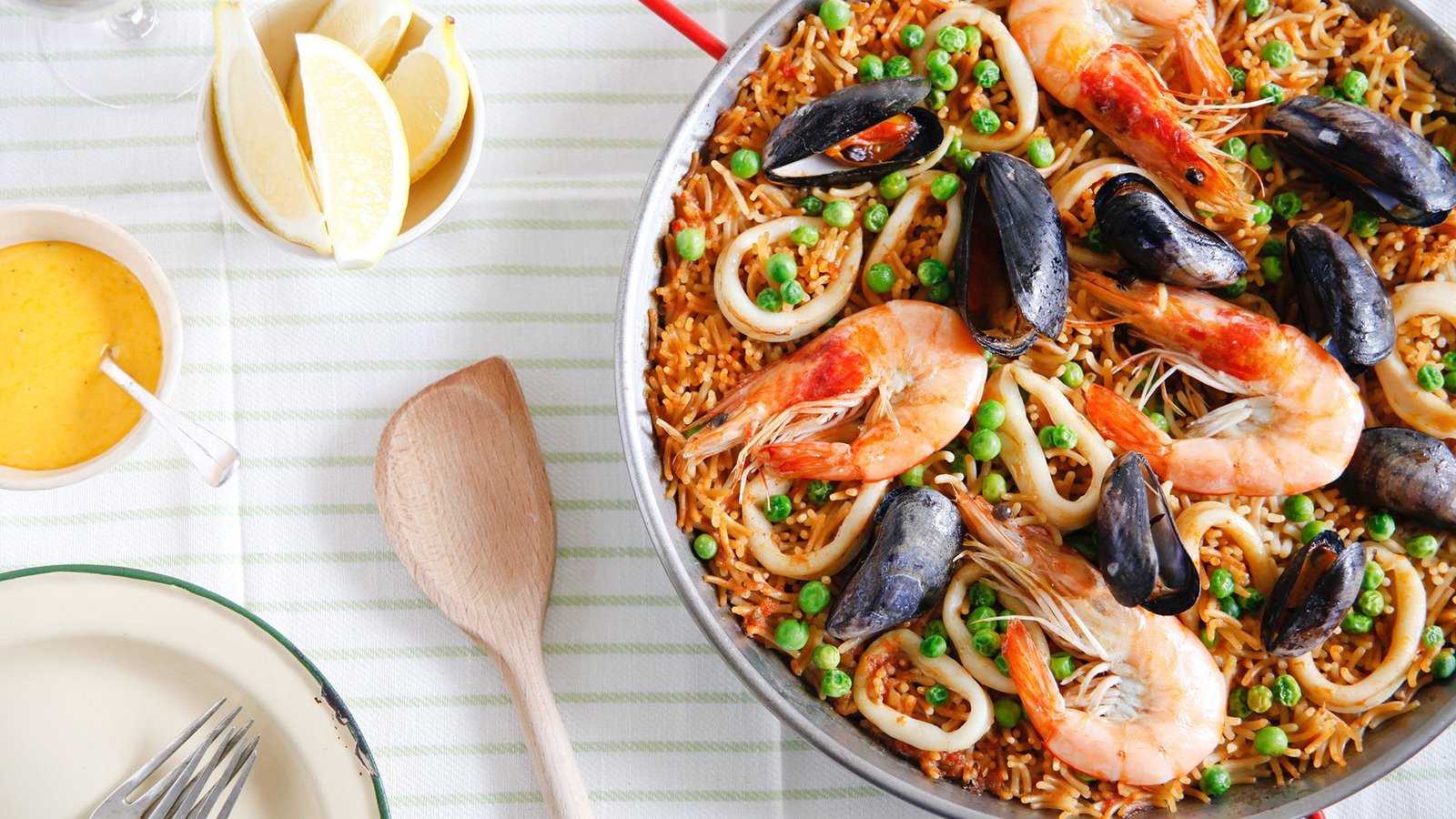
Similar to paella but made with thin noodles instead of rice, this Catalan dish features seafood like prawns and squid cooked in a rich fish stock. The noodles absorb the flavors beautifully, creating a toasty base. In Barcelona, I tried one that was smoky and satisfying, a twist on the classic that felt innovative yet traditional. It’s great for those seeking variety in Spanish seafood.
6. Jamón Ibérico
Cured ham from black Iberian pigs fed on acorns, jamón Ibérico melts in your mouth with its nutty, savory depth. Sliced thin, it’s a delicacy often enjoyed on its own or with bread. At a market in Extremadura, the vendor handed me a sample that was pure bliss—rich and complex. This ham represents Spain’s artisanal curing traditions and is worth every penny for its unparalleled taste.
7. Tortilla Española
A thick omelette of eggs, potatoes, and onions fried in olive oil, tortilla Española is comfort food at its finest. Debates rage over whether to include onions, but either way, it’s hearty and versatile. I flipped one myself in a cooking class in Madrid, relishing the golden exterior and soft interior. Served warm or cold, it’s a picnic favorite that embodies everyday Spanish eating.
8. Churros
Fried dough sticks dusted with sugar and dipped in thick hot chocolate, churros are a sweet treat from Madrid’s churrerías. Crispy outside, soft inside, they’re irresistible. Early one morning after a night out, I indulged in a pile that warmed my soul. This dessert duo is perfect for breakfast or snacks, capturing Spain’s joyful indulgence in simple pleasures.
9. Croquetas
Creamy béchamel-filled croquettes, breaded and fried, come in flavors like ham, cheese, or mushroom. They’re crunchy bites of heaven. In a Seville tapas bar, I devoured a ham version that was creamy and flavorful. These are essential for any tapas crawl, showing off Spain’s skill in transforming leftovers into gourmet snacks.
10. Lechazo
Roast suckling lamb from Castile, slow-cooked in a wood oven until tender and crispy-skinned. The meat falls off the bone, infused with garlic and herbs. At a family feast in Segovia, the simplicity blew me away—pure, unadulterated flavor. It’s a celebratory dish that highlights Spain’s meat-roasting expertise.
11. Tortillitas de Camarones
Crispy shrimp fritters from Cádiz, made with chickpea flour and tiny shrimp for a seafood crunch. Light and briny, they’re addictive. By the Andalusian coast, I paired them with sherry, feeling the sea’s influence. These fritters are a must for seafood lovers exploring southern Spain.
12. Migas
Fried breadcrumbs with chorizo, peppers, and garlic, a rustic dish from Extremadura. It’s hearty and flavorful, like a Spanish stir-fry. In a rural inn, it fueled me for a day of hiking. Migas repurposes stale bread into something delicious, embodying resourcefulness in Spanish cooking.
13. Papas Arrugadas
Wrinkly potatoes from the Canary Islands, boiled in saltwater and served with mojo sauces. The skin wrinkles, trapping flavor. On Tenerife, the spicy red mojo added zing. These are a volcanic island specialty, simple yet unforgettable.
14. Fabada Asturiana
A rich bean stew with chorizo, morcilla, and pork from Asturias. Slow-cooked for depth, it’s warming on cool days. In Oviedo, a bowl comforted me like a hug. This dish showcases Spain’s love for beans and bold flavors in northern cuisine.
Regional Variations in Spanish Dishes
Spain’s diverse regions mean dishes evolve uniquely. For instance, paella in Valencia sticks to land-based proteins, while coastal versions add seafood. Tortilla Española might be runny in the center in Basque Country but firmer in Madrid. These variations reflect local ingredients and traditions, adding layers to your culinary journey.
Coastal vs. Inland Flavors
Coastal areas emphasize fresh seafood, like Galicia’s pulpo a la gallega (octopus), while inland spots focus on meats and stews, such as Castilla’s cochinillo asado (roast pig). This divide creates a rich tapestry worth exploring.
Seasonal Influences
Many dishes shine with seasonal produce—gazpacho in summer with ripe tomatoes, or fabada in winter for warmth. Embracing seasons ensures authenticity and peak flavors.
Pros and Cons: Cooking Spanish Dishes at Home vs. in Spain
Trying these at home lets you experiment, but authenticity can be tricky without local ingredients.
- Pros of Home Cooking: Cost-effective, customizable (e.g., milder patatas bravas), and fun for family nights.
- Cons of Home Cooking: Hard to replicate wood-fired ovens for lechazo or fresh Iberian ham.
Eating in Spain offers immersion, but travel costs add up.
- Pros of Eating in Spain: Authentic ambiance, expert preparation, and regional pairings like Rioja wine with jamón.
- Cons of Eating in Spain: Tourist traps with inauthentic versions, and dietary restrictions might limit options.
Comparing Iconic Spanish Dishes
| Dish | Region | Main Ingredients | Best For |
|---|---|---|---|
| Paella Valenciana | Valencia | Rice, rabbit, saffron | Group meals |
| Gazpacho | Andalusia | Tomatoes, cucumbers | Hot days |
| Jamón Ibérico | Various | Cured pork | Appetizers |
| Tortilla Española | Nationwide | Eggs, potatoes | Anytime snack |
| Churros | Madrid | Dough, chocolate | Desserts |
This table highlights how dishes suit different occasions, from hearty mains to light bites.
People Also Ask
What is the national dish of Spain? Paella is often considered Spain’s national dish, though tortilla Española is a close contender for everyday popularity.
What are three traditional foods in Spain? Paella, gazpacho, and jamón are staples, representing rice, soup, and cured meats respectively.
What food is eaten the most in Spain? Tapas-style dishes like patatas bravas and croquetas are ubiquitous, enjoyed daily in bars across the country.
Is Spanish food spicy? Not typically—most rely on flavors like garlic and paprika, but dishes like pimientos de Padrón can surprise with heat.
Where to get authentic Spanish dishes? Head to local markets or family-run restaurants in regions like Valencia for paella or Asturias for fabada.
FAQ
What makes Spanish cuisine unique?
Spanish food stands out for its emphasis on high-quality, fresh ingredients and regional diversity. From olive oil-drenched tapas to slow-cooked stews, it’s about simplicity and sharing. Influences from Moorish and Mediterranean cultures add depth without overwhelming the natural flavors.
How can I try these dishes if I can’t travel to Spain?
Start with local Spanish restaurants or markets stocking imported ingredients like jamón or saffron. Online recipes from sites like BBC Good Food offer step-by-step guides. Experiment at home—gazpacho is easy for beginners.
Are there vegetarian options among these essential dishes?
Yes, several like gazpacho, patatas bravas (without aioli), and pimientos de Padrón are naturally vegetarian. Tortilla Española can be adapted by omitting meat add-ins, and many regions offer veggie tapas.
What’s the best tool for making paella at home?
A traditional paella pan is ideal for even cooking and socarrat formation. If unavailable, a wide skillet works. Saffron and bomba rice are must-have ingredients for authenticity.
How does Spanish food cater to different dietary needs?
While meat-heavy, options abound for various diets—seafood for pescatarians, bean stews like fabada for protein, and gluten-free choices like migas adaptations. Always check for cross-contamination in restaurants.
In wrapping up, these 14 essential Spanish dishes are more than food—they’re invitations to explore a culture rich in flavor and history. Whether recreating them in your kitchen or savoring them abroad, they’ll leave you craving more. Buen provecho!