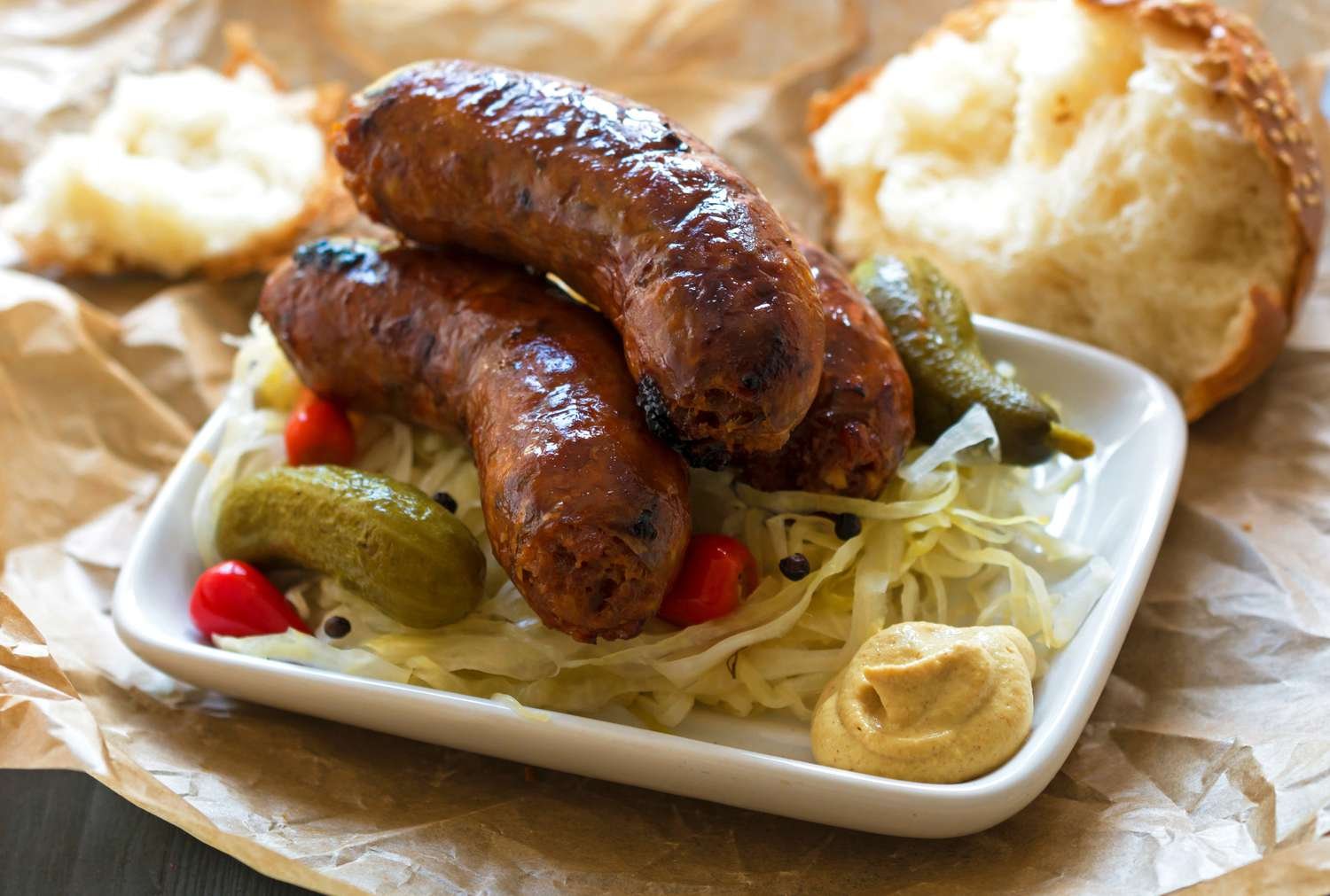
Picture this: I’m wandering the bustling streets of Berlin on a crisp autumn afternoon, the air thick with the savory scent of sizzling sausages and tangy sauerkraut wafting from a nearby Imbiss stand. As a food enthusiast who’s spent years exploring Europe’s culinary corners, that moment hooked me on German cuisine— hearty, unpretentious, and full of stories passed down through generations. But in our fast-paced world of fusion trends and health fads, I couldn’t help wondering if those classic dishes still hold a place at the everyday table. Turns out, they absolutely do, blending nostalgia with modern twists to remain staples in homes and festivals across Germany.
The Roots of German Culinary Tradition
German food has always been about making the most of what’s available, shaped by the country’s diverse regions from the alpine south to the coastal north. Think hearty meals born from long winters, where potatoes, cabbage, and preserved meats kept families going. Today, these foundations persist, even as global influences sneak in, proving that tradition isn’t static—it’s evolving while staying true to its soul.
Iconic Sausages: From Bratwurst to Currywurst
Sausages, or Wurst, are practically synonymous with Germany, boasting over 1,500 varieties that vary by region and seasoning. Bratwurst, grilled and served with mustard, remains a go-to for backyard barbecues and street eats. Currywurst, invented in post-war Berlin, tops the charts with 800 million consumed annually, showing how a simple innovation became a national obsession.
Meaty Mainstays Like Schnitzel and Rouladen
Breaded and fried to golden perfection, Schnitzel—often pork in Germany—pairs with fries or salad and graces menus from Bavarian beer halls to family dinners. Rouladen, thin beef rolls stuffed with bacon, onions, and pickles, simmered in gravy, evoke Sunday roasts and are still prepared for special gatherings. These dishes highlight Germany’s love for comforting, slow-cooked proteins that warm the belly and the heart.
Staples That Stick Around: Potatoes and Cabbage
No German meal feels complete without potatoes, transformed into everything from creamy salads to fluffy dumplings. Kartoffelsalat, with its regional twists—mayo in the north, vinegar in the south—accompanies barbecues and picnics year-round. Sauerkraut, fermented cabbage packed with probiotics, isn’t just a side; it’s a health hero that’s surged in popularity amid wellness trends.
Versatile Potato Dishes
Kartoffelpuffer, those crispy potato pancakes, are fried up for quick snacks or festive markets, often drizzled with applesauce for a sweet-savory kick. Dumplings like Kartoffelklöße soak up gravies in hearty stews, a tradition that’s alive in home kitchens where families bond over rolling them by hand. These humble spuds prove why Germans consume over 60 kg per person annually—they’re affordable, filling, and endlessly adaptable.
Cabbage Creations Beyond Sauerkraut
Red cabbage, braised with apples and cloves, complements roasts like Sauerbraten and remains a holiday essential. Kale dishes such as Grünkohl mit Pinkel, a northern winter warmer with smoked sausage, draw crowds to seasonal festivals. These greens underscore Germany’s farm-to-table ethos, still thriving in an era of organic markets and veggie-forward diets.
Sweet Endings: Cakes and Pastries That Endure
Desserts in Germany are indulgent yet balanced, often featuring fruits and nuts for a touch of wholesomeness. Black Forest Cake, with its layers of chocolate, cherries, and cream, stars at birthdays and cafes, its cherry schnapps kick adding adult flair. Apfelstrudel, flaky pastry wrapped around spiced apples, evokes cozy afternoons and is baked fresh in homes nationwide.
Beloved Baked Goods
Pretzels, or Brezel, with their signature knot and salty crust, are grabbed from bakeries for breakfast or beer pairings, a ritual that’s as common now as ever. Lebkuchen, spiced gingerbread cookies, flood markets during Christmas but pop up year-round in variations. These treats show how sweets weave into daily life, offering comfort without overwhelming sweetness.
Seasonal Sweet Surprises
Stollen, the fruit-studded yeast bread dusted with sugar, signals the holidays but has fans baking it off-season for its nostalgic appeal. Bienenstich, or Bee Sting Cake, with its honey-almond topping and custard filling, delights at coffee breaks, proving desserts are for everyday enjoyment, not just occasions.
Regional Variations: A Taste of Diversity
Germany’s food scene mirrors its federal structure, with each state boasting specialties that locals cherish and tourists seek. In Bavaria, Weisswurst—veal sausage with sweet mustard—starts the day, still boiled fresh in Munich’s beer gardens. Up north, Labskaus, a sailor’s hash of corned beef and potatoes, fuels coastal communities, blending history with hearty sustenance.
Southern Specialties
Swabia’s Maultaschen, ravioli-like dumplings filled with meat or spinach, hide in broth or fried, a clever Lent loophole that’s now a versatile meal. Käsespätzle, cheesy egg noodles from the Alps, comfort like mac ‘n’ cheese but with caramelized onions for extra oomph. These dishes thrive in regional eateries, drawing foodies eager for authentic bites.
Northern and Eastern Flavors
Hamburg’s Pannfisch, fried fish with mustard sauce, reflects Baltic influences and remains popular in seaside spots. Saxony’s Sauerbraten, marinated beef roast, varies sweetly or sourly but always pairs with dumplings, a family recipe passed down. This diversity ensures traditional foods adapt locally while staying relevant nationwide.
Modern Twists on Timeless Classics
Today’s Germans aren’t stuck in the past; they’re remixing traditions with health-conscious updates and global flair. Vegan sausages mimic Bratwurst for plant-based eaters, while fusion spots serve Currywurst tacos. Yet, core elements like fresh ingredients and communal eating keep the essence alive, bridging old and new.
Healthier Adaptations
Baked Schnitzel cuts the fry factor without losing crunch, appealing to calorie counters. Quark, a creamy cheese-like staple, stars in low-fat desserts and smoothies, boosting protein intake. These tweaks show how traditions evolve, making them accessible for busy lifestyles without sacrificing flavor.
Fusion Innovations
Döner Kebab, born from Turkish immigrants in Berlin, now rivals Wurst as street food king, often topped with local herbs. Asian-inspired Spätzle with stir-fry veggies nod to immigration’s impact, enriching the culinary landscape. Such blends highlight Germany’s openness, ensuring classics remain dynamic.
Pros and Cons of Sticking to Traditional German Foods
Embracing these dishes has its upsides and drawbacks, worth weighing for anyone diving in.
Pros
- Nutritional Balance: Hearty portions of veggies like cabbage provide fiber and vitamins, while meats offer protein—think Sauerbraten’s iron boost.
- Cultural Connection: Sharing Rouladen at family tables fosters bonds, preserving heritage in a globalized world.
- Affordability: Staples like potatoes and bread are budget-friendly, making home cooking economical and satisfying.
Cons
- Heaviness: Rich in fats and carbs, dishes like Pork Knuckle can feel indulgent, potentially clashing with lighter diets.
- Prep Time: Marinating Sauerbraten for days demands patience, not ideal for quick weeknight meals.
- Regional Availability: Finding authentic Pinkel sausage outside the north can be tricky, limiting variety for travelers.
Comparison: Traditional vs. Modern German Eating Habits
| Aspect | Traditional | Modern |
|---|---|---|
| Meal Structure | Hot lunch as main meal, light bread-based dinner (Abendbrot) | Flexible, often hot dinner due to work schedules; snacks on-the-go |
| Ingredients | Heavy on pork, potatoes, cabbage; seasonal and local | Incorporates veggies, lean proteins; global spices and vegan options |
| Preparation | Slow-cooked, family recipes | Quick recipes, air-fryers; meal kits for convenience |
| Social Aspect | Family gatherings, festivals | Solo eats, delivery apps; still communal at markets |
| Health Focus | Comfort over calories | Balanced nutrition, organic trends |
This table illustrates how habits have shifted, yet traditions anchor the core.
Where to Experience These Foods Today
Navigational intent leads straight to Germany’s vibrant food scenes. Head to Berlin’s Markthalle Neun for street-style Currywurst or Munich’s Viktualienmarkt for fresh Pretzels. For home tries, online grocers like Germanfoods.org ship authentic ingredients, while apps like EatEasy connect you to local cooks.
Best Spots for Authentic Bites
Bavarian beer halls serve Weisswurst with a side of history—try Hofbräuhaus in Munich. Northern ports like Hamburg offer Labskaus at fish markets, fresh from the sea. These spots keep traditions alive, blending tourism with everyday dining.
Tools for Home Cooking
Transactional shoppers, grab a good mandoline for perfect potato slices in Kartoffelsalat—recommend the OXO Good Grips model from Amazon. For dumplings, a potato ricer like KitchenAid’s ensures fluffy results without lumps. These gadgets make recreating classics a breeze.
People Also Ask (PAA)
Drawing from common Google queries on traditional German foods, here are real questions users ponder, with concise answers optimized for snippets.
What is the most traditional German food?
Sauerbraten, a marinated beef roast, is often called Germany’s national dish, slow-cooked in vinegar and spices for tangy tenderness. It’s still beloved for family meals and holidays.
What do Germans typically eat for breakfast?
A hearty spread of bread rolls, cheeses, cold cuts, boiled eggs, and coffee—simple yet satisfying, with muesli for a modern twist. Weekends might include pancakes or fresh bakery items.
What is a common German dinner?
Abendbrot, a cold buffet of breads, sausages, and salads, remains popular, though many now opt for warm dishes like Schnitzel due to busy schedules.
Are German foods healthy?
Many feature veggies and fermented items like sauerkraut for gut health, but portions can be calorie-dense—balance with walks, as Germans do!
What desserts are famous in Germany?
Black Forest Cake and Apfelstrudel top the list, with seasonal treats like Stollen during Christmas, all emphasizing fresh fruits and nuts.
FAQ
Is sauerkraut still a daily staple in Germany?
Absolutely—it’s eaten weekly in many households, paired with meats or as a side, valued for its flavor and health benefits like aiding digestion.
How has immigration influenced traditional German foods?
Turkish influences birthed Döner Kebab, now a national favorite, while Asian spices jazz up classics like Spätzle, adding diversity without erasing roots.
Can I find vegetarian versions of German dishes?
Yes, from veggie Maultaschen to plant-based sausages—Germany’s growing vegan scene makes it easy, with markets offering alternatives.
What’s the best way to try traditional foods on a budget?
Visit local markets or festivals like Oktoberfest for affordable samples; cooking at home with basic ingredients keeps costs low.
Do Germans still eat heavy meals every day?
Not always—lunches might be lighter now, but weekends and holidays bring out the hearty spreads, balancing tradition with modern life.
In wrapping up, traditional German foods aren’t relics gathering dust; they’re vibrant threads in the fabric of daily life, adapting yet enduring. From my own kitchen experiments with lopsided Pretzels that still tasted divine, to sharing laughs over overflowing plates in a rustic Gasthaus, these dishes remind us food is about connection. Whether you’re planning a trip or stirring up Sauerbraten at home, dive in—you might just find a new favorite that feels like an old friend. For more on regional recipes, check Chef’s Pencil or explore internal links to our sausage guide.