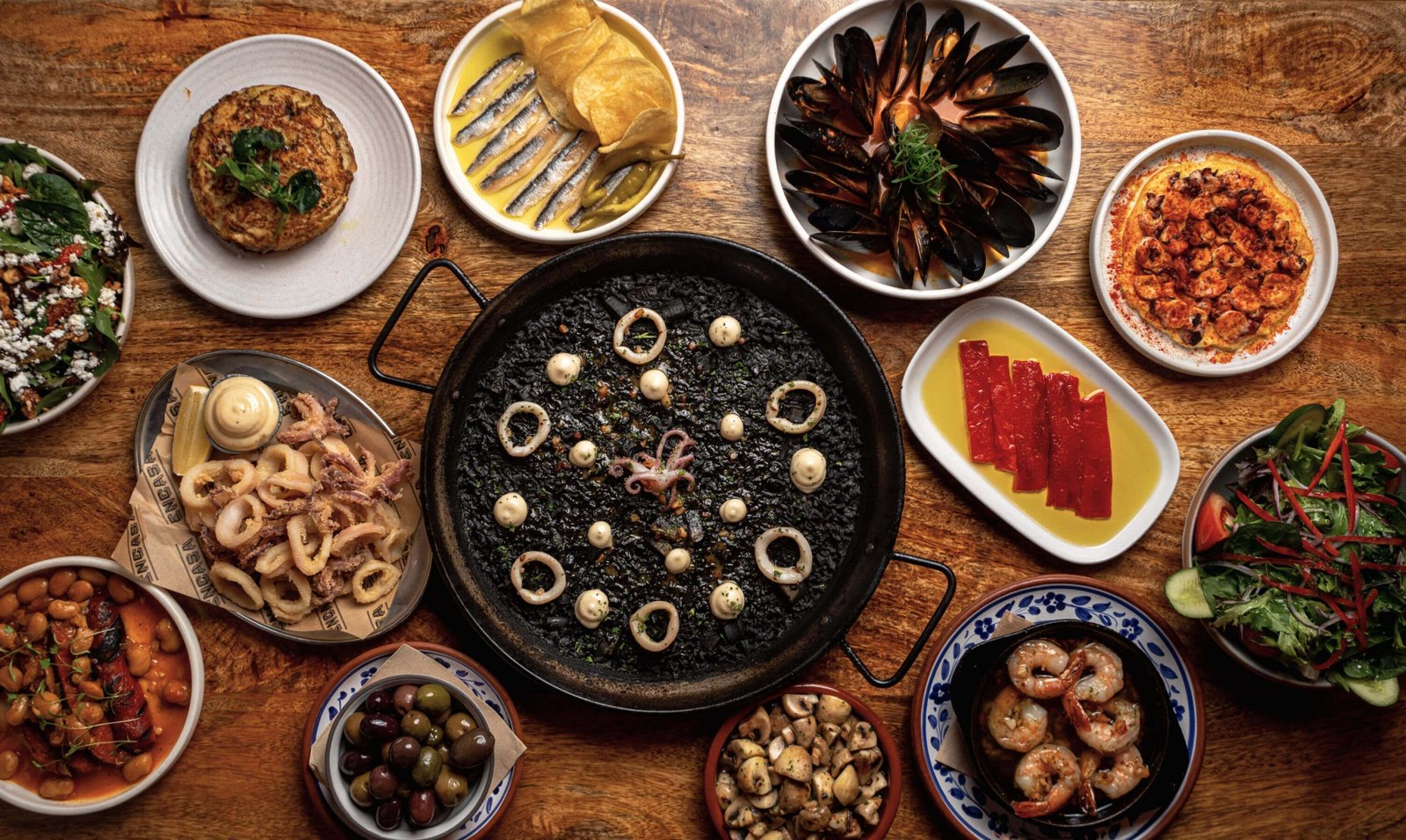
Imagine wandering through the bustling streets of Madrid on a warm evening, the air filled with the scent of sizzling garlic and olive oil. That’s my first real memory of Spanish food—simple yet unforgettable, shared over laughter with friends at a tiny tapas bar. Spanish cuisine isn’t just about eating; it’s a celebration of life, history, and the land itself, drawing from centuries of cultural blends that make every bite tell a story.
The Rich History of Spanish Cuisine
Spain’s culinary roots stretch back thousands of years, shaped by invaders, explorers, and the country’s diverse landscapes. From the ancient Phoenicians who introduced olive trees to the Romans who brought viticulture, each era layered new flavors onto what we now know as Spanish food. This melting pot evolved further with the Moorish influence in the 8th century, adding spices like saffron and almonds that still define many dishes today.
Roman and Moorish Influences
The Romans planted the seeds for Spain’s love affair with wine and bread, while the Moors revolutionized irrigation techniques that boosted rice and citrus production. Their legacy shines in sweets like turrón, a nutty nougat that’s a holiday staple. These historical threads weave through modern Spanish meals, blending simplicity with exotic twists.
The Age of Exploration and New World Ingredients
When Spanish explorers returned from the Americas in the 15th century, they brought tomatoes, potatoes, and peppers that transformed European cooking. Suddenly, humble stews gained vibrant colors and depths of flavor. This exchange not only enriched Spanish tables but also spread Iberian techniques worldwide, creating a global culinary dialogue.
Key Ingredients That Define Spanish Flavors
At the heart of Spanish cuisine lies a handful of staples that elevate everyday meals into something extraordinary. Olive oil, often called “liquid gold,” is produced in abundance here and used generously in everything from salads to frying. Garlic, saffron, and paprika add that signature punch, while fresh seafood and cured meats like jamón ibérico provide protein-rich highlights.
Olive Oil: The Backbone of the Mediterranean Diet
Spain leads the world in olive oil production, with varieties ranging from mild to peppery. It’s not just for cooking—drizzle it over bread or use it in marinades for a quick flavor boost. This ingredient underscores the health benefits of Spanish eating, packed with antioxidants that promote heart health.
Saffron, Paprika, and Other Essential Spices
Saffron threads, harvested from crocuses in La Mancha, impart a golden hue and earthy aroma to paella. Paprika, or pimentón, comes smoked or sweet, adding depth to chorizo and stews. These spices reflect Spain’s Moorish past, turning simple ingredients into aromatic masterpieces without overwhelming the palate.
Seafood and Meats: From Sea to Sierra
Coastal regions abound with fresh fish like anchovies and squid, often grilled or fried. Inland, pork reigns supreme, especially in cured forms like chorizo and morcilla. Jamón ibérico, from acorn-fed pigs, is sliced paper-thin and savored slowly—it’s like the king of charcuterie boards.
Regional Variations in Spanish Food
Spain’s cuisine is as varied as its geography, with each autonomous community boasting unique dishes influenced by climate and tradition. From the seafood-heavy north to the olive groves of the south, traveling through Spain feels like a gastronomic adventure. This diversity keeps things exciting, ensuring no two meals are ever quite the same.
Andalusia: Sun-Kissed Southern Delights
In sunny Andalusia, food is light and refreshing, perfect for hot summers. Gazpacho, a chilled tomato soup, originated here, blending ripe veggies with vinegar and oil. Fried fish like pescaíto frito is a beachside favorite, crispy and paired with a cold beer.
Catalonia: Innovative Coastal Cuisine
Barcelona’s region mixes sea and mountains, yielding dishes like escudella, a hearty stew. But it’s the calcots—grilled spring onions dipped in romesco sauce—that steal the show during festivals. Catalan food emphasizes fresh produce, with bold sauces that highlight seasonal ingredients.
Basque Country: A Gourmet Paradise
The Basque region is a foodie’s dream, home to pintxos—elaborate bar snacks on bread. San Sebastián boasts more Michelin stars per capita than anywhere else. Here, cod in pil-pil sauce, emulsified with olive oil, showcases the area’s seafood prowess and culinary creativity.
Galicia: Seafood from the Atlantic
Northwestern Galicia thrives on ocean bounty, with pulpo a la gallega—octopus with paprika and potatoes—as a staple. Empanadas filled with tuna or sardines are portable treats. The misty climate inspires warming soups, balancing the fresh, briny flavors of the sea.
Central Spain: Hearty Inland Fare
In Castile, roasts dominate, like cochinillo asado—suckling pig with crackling skin. Fabada, a bean stew with chorizo, warms cold winters. These dishes reflect the rugged terrain, focusing on slow-cooked meats and legumes for sustaining energy.
Iconic Spanish Dishes You Must Try
No overview of Spanish food would be complete without diving into its star players. These dishes capture the essence of sharing and savoring, often enjoyed family-style. Whether you’re at a fiesta or a quiet dinner, they bring people together with their bold yet balanced tastes.
Tapas: The Art of Small Bites
Tapas started as bar snacks to cover drinks from flies—hence the name, meaning “lids.” Now, they’re a social ritual, from patatas bravas (spicy potatoes) to gambas al ajillo (garlic shrimp). Hopping from bar to bar, sampling a few, is the best way to experience Spain’s vibrant nightlife.
Paella: Valencia’s Golden Rice Masterpiece
Born in Valencia’s rice fields, paella mixes saffron-infused rice with rabbit, chicken, and beans in its traditional form. Coastal versions add seafood like prawns and mussels. Cooking it outdoors over wood fire imparts a smoky socarrat crust that’s pure magic—crispy, flavorful, and fought over at the table.
Gazpacho and Salmorejo: Chilled Soups for Summer
Andalusia’s gazpacho is a refreshing blend of tomatoes, cucumbers, and peppers, pureed cold. Salmorejo, thicker with bread, gets topped with ham and egg. These no-cook wonders are lifesavers in heat waves, hydrating and nutritious with a tangy kick.
Tortilla Española: The Ultimate Omelette
This potato and onion omelette is a national treasure, fluffy inside and golden out. Eaten hot or cold, it’s picnic-perfect or tapas-ready. Debates rage over adding chorizo or peppers—purists say no, but experimentation keeps it fun and personal.
Churros con Chocolate: Sweet Street Food
Dipped in thick hot chocolate, churros are fried dough heaven, crispy outside and soft within. Breakfast or late-night snack, they’re a guilty pleasure. In Madrid, churrerías like San Ginés have served them for over a century, creating sweet memories.
Spanish Mealtimes and Eating Habits
Spaniards eat later than most, with lunch around 2 p.m. and dinner after 9 p.m., turning meals into leisurely affairs. Breakfast is light—coffee and toast—while merienda bridges afternoon hunger. This rhythm fosters family bonds and siesta culture, making food a daily ritual.
Breakfast: Simple Starts to the Day
Most mornings feature café con leche and pan con tomate—toast rubbed with tomato and drizzled with oil. Sometimes, a pastry like a magdalena sneaks in. It’s quick but sets a flavorful tone, emphasizing quality over quantity.
Lunch: The Main Event
Comida is the biggest meal, often a multi-course affair with salad, main, and dessert. In workplaces, menú del día offers affordable options. Families linger over weekends, sharing stories as much as food.
Dinner and Tapas Culture
Cena is lighter, perhaps leftovers or tapas. Evening outings involve grazing on small plates with wine, turning dining into socializing. It’s where friendships deepen over shared croquetas.
The Health Benefits of Spanish Cuisine
Rooted in the Mediterranean diet, Spanish food promotes longevity with its emphasis on veggies, fish, and healthy fats. Olive oil reduces heart disease risk, while fresh produce provides vitamins. Moderation is key—portions are sensible, and walking to markets keeps things active.
Pros and Cons of the Spanish Diet
Pros include balanced nutrition, social eating that boosts mental health, and seasonal ingredients for freshness. Cons? High sodium from cured meats and late dinners that might disrupt sleep. Overall, it’s a model for healthful living.
- Pros:
- Abundant fruits and vegetables for fiber and antioxidants.
- Lean proteins from seafood support muscle health.
- Wine in moderation aids heart function.
- Cons:
- Fried foods can add calories if overindulged.
- Reliance on pork might not suit vegetarians.
- Late meals could affect digestion for some.
Comparing Spanish Cuisine to Other Mediterranean Foods
Spanish food shares olive oil and seafood with Italian and Greek cuisines but stands out with its spice use and tapas style. Italian focuses on pasta, Greek on yogurt and lamb—Spain blends it all with regional flair.
| Aspect | Spanish Cuisine | Italian Cuisine | Greek Cuisine |
|---|---|---|---|
| Key Staple | Rice (paella) | Pasta | Yogurt |
| Signature Dish | Tapas | Pizza | Souvlaki |
| Spice Level | Moderate (paprika) | Herb-focused | Lemon-herb |
| Meal Style | Shared small plates | Family courses | Meze sharing |
This table highlights how Spain’s approach is communal and varied, perfect for social diners.
Where to Experience Authentic Spanish Food
For the real deal, head to local markets like Madrid’s Mercado de San Miguel for fresh jamón. In Valencia, try paella at beachside spots. Home cooks can source ingredients from specialty stores like La Tienda, offering Iberian imports.
Best Markets and Restaurants in Spain
Barcelona’s La Boqueria bursts with colors and samples. For dining, El Celler de Can Roca in Girona wows with innovative takes on classics. Budget-friendly? Neighborhood tabernas serve hearty portions without fuss.
Cooking Spanish Food at Home: Essential Tools
Start with a paella pan for authentic rice dishes—wide and shallow for even cooking. A good mortar and pestle grinds aioli perfectly. Stock up on saffron from online retailers like Amazon for that golden touch.
People Also Ask
Drawing from common queries on Spanish cuisine, here are answers to what folks often wonder about.
What is typical Spanish food?
Typical Spanish food revolves around fresh, seasonal ingredients like tomatoes, garlic, and seafood. Staples include paella, tapas, and tortilla española, enjoyed in casual settings. It’s hearty yet light, reflecting the Mediterranean lifestyle.
What is Spain famous for in food?
Spain is renowned for jamón ibérico, paella, and tapas. These icons showcase quality curing, rice mastery, and sharing culture. Don’t forget churros for a sweet finish—they’re street food stars.
What is the most popular dish in Spanish cuisine?
Paella tops the list, a vibrant rice dish from Valencia with variations across regions. It’s colorful, flavorful, and symbolizes Spanish hospitality. Close runners-up are gazpacho and tortilla.
What do Spanish people eat for breakfast?
Breakfast is modest: coffee with milk, toast with tomato and oil, or a pastry. Some opt for churros on weekends. It’s quick, focusing on caffeine and carbs to kickstart the day.
Sweet Endings: Spanish Desserts and Drinks
Desserts like crema catalana—a creamy custard with caramelized sugar—offer a sweet close. Flan and arroz con leche comfort the soul. Pair with sangria or sherry for a full experience, blending fruitiness with tradition.
Popular Desserts Across Regions
In Catalonia, crema catalana reigns. Andalusia loves polvorones, almond cookies. Basque cheesecake, burnt on top, has gone global for its creamy simplicity.
Wines and Beverages to Pair
Rioja reds complement meats, while cava sparkles with tapas. Horchata, a nutty milk drink from Valencia, refreshes summers. Moderation enhances flavors without overpowering.
FAQ
What makes Spanish cuisine unique?
Spanish cuisine stands out for its regional diversity and emphasis on fresh, high-quality ingredients. Influences from Moors and New World discoveries add layers of flavor, while tapas culture promotes sharing. It’s simple yet sophisticated, focusing on balance rather than complexity.
Is Spanish food spicy?
Not typically—Spanish food favors smoky paprika over heat. Dishes like patatas bravas have a mild kick from sauce, but overall, it’s flavorful without burning. Regional variations might add more spice, but subtlety is the norm.
What are the best vegetarian options in Spanish cuisine?
Vegetarians thrive on tortilla española, gazpacho, and escalivada—grilled veggies. Pisto, a ratatouille-like stew, is hearty. Many tapas bars offer cheese and olive plates, making it easy to adapt.
How has Spanish cuisine influenced global food?
Through colonization, Spain introduced tomatoes and potatoes to Europe, revolutionizing diets. Tapas inspired small-plate trends worldwide. Fusion like Tex-Mex shows its lasting impact on modern kitchens.
Where can I learn to cook Spanish dishes?
Online classes from sites like MasterClass or local cooking schools in Spain. Books like “The New Spanish Table” guide beginners. Start simple with gazpacho—no cooking required!
I once tried making paella at home after a trip to Valencia, scorching the pan but nailing the socarrat—crispy rice heaven. It reminded me how Spanish food rewards patience and good company. Whether you’re planning a trip or stocking your pantry, this cuisine invites exploration. Dive in, savor slowly, and let the flavors transport you to sun-drenched plazas. For more on Mediterranean diets, check our guide to Italian cuisine.