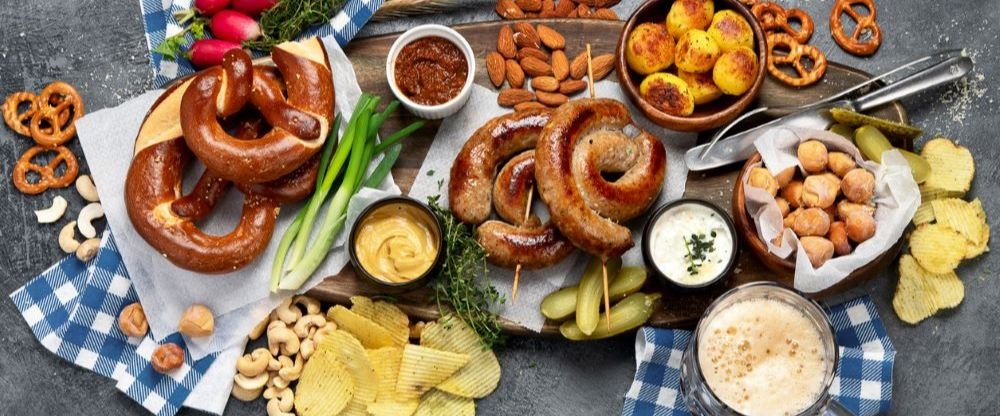
I’ve always believed that food tells a story about a place, and Germany’s cuisine is like a hearty novel filled with twists of history, regional pride, and simple, satisfying flavors. Growing up with a German grandmother who could turn potatoes into magic, I fell in love with these dishes early on. From the smoky sausages of Bavaria to the tangy ferments of the north, German food isn’t just about filling your belly—it’s about comfort, tradition, and a bit of that no-nonsense attitude Germans are known for. In this article, we’ll explore the famous types of German cuisine foods, sharing recipes, where to find them, and why they’re worth every bite.
The Rich History of German Cuisine
German food has roots stretching back to medieval times, shaped by farmers, traders, and even royal courts that prized hearty meals to fuel long winters. Influences from neighboring countries like France and Poland added layers, but at its core, it’s about using what’s local—potatoes from the soil, pork from the farms, and bread baked fresh daily. Think of it as cuisine born from necessity, evolving into beloved classics that still grace family tables today.
My grandma used to regale me with tales of post-war Germany, where simple ingredients like cabbage and rye turned into feasts. It’s this resilience that makes German food so endearing, blending humble beginnings with flavors that pack a punch.
Evolution Through the Ages
Over centuries, German cuisine adapted to industrialization and global trade, incorporating spices from afar while holding onto regional specialties. The 19th century brought beer halls and street food, turning sausages into icons. Today, it’s a mix of tradition and modern twists, like vegan versions of old favorites.
Iconic Meat Dishes in German Cuisine
No chat about German food skips the meats—they’re the stars, often slow-cooked or grilled to perfection. From sausages that snap with each bite to roasts marinated for days, these dishes highlight Germany’s love for pork, beef, and game. They’re not just meals; they’re social glue at festivals and family gatherings.
I once attended Oktoberfest in Munich, where the air was thick with the sizzle of bratwurst—it was chaotic, fun, and utterly delicious, proving why these meats are world-famous.
Bratwurst: The Ultimate Sausage
Bratwurst, a grilled pork sausage seasoned with marjoram and nutmeg, is Germany’s street food king, often served in a roll with mustard. Originating from regions like Thuringia, it’s simple yet addictive. Try it at home by grilling fresh links over medium heat for that perfect char.
Currywurst: A Berlin Favorite
This sliced sausage smothered in curry ketchup and sprinkled with curry powder was invented post-WWII in Berlin. It’s tangy, spicy, and messy—perfect for late-night cravings. Head to a stand like Curry 36 for the real deal, or make your own sauce with tomato paste and spices.
Schnitzel: Crispy and Golden
Wiener Schnitzel, a breaded veal cutlet fried until crisp, hails from Austria but is a German staple. Pound the meat thin, coat in breadcrumbs, and fry in butter for that golden crunch. It’s often paired with lemon and potato salad for a balanced bite.
Sauerbraten: The Sour Roast
Marinated in vinegar and wine for days, this beef roast is tender and tangy, a Rhineland specialty. Slow-cook it with ginger snaps for sweetness in the gravy. It’s like a hug on a plate, especially on chilly evenings.
Famous Side Dishes and Vegetables
German sides elevate mains, turning basic veggies into stars with fermentation or roasting. Cabbage and potatoes dominate, offering comfort without fuss. They’re versatile, pairing with everything from sausages to stews.
Remembering family dinners, these sides were always the unsung heroes—my aunt’s sauerkraut could steal the show from any roast.
Sauerkraut: Fermented Goodness
This fermented cabbage is crunchy, sour, and packed with probiotics, a staple since ancient times. Simmer it with apples and bacon for extra flavor. Find it at markets or make your own by salting shredded cabbage and letting it ferment.
Kartoffelsalat: Potato Salad Variations
Warm or cold, this salad uses vinegar-dressed potatoes in the south or mayo in the north. Boil potatoes, toss with onions and herbs—it’s picnic-perfect. Regional twists add bacon or broth for depth.
Spätzle: Egg Noodles Done Right
These soft dumplings, made from flour, eggs, and water, are Swabia’s gift to the world. Drop batter into boiling water, then sauté with butter. Top with cheese for Käsespätzle, Germany’s mac-and-cheese equivalent.
Breads and Baked Goods
Germany boasts over 300 bread types, from dense rye to fluffy rolls—bread is life here. Baked fresh, it’s the base for many meals, slathered with butter or topped with cold cuts.
On a rainy Berlin afternoon, nothing beats a warm pretzel from a corner bakery—salty, chewy, and oddly therapeutic to twist apart.
Brezel: The Pretzel Icon
Twisted and salted, this lye-dipped pretzel is crunchy outside, soft inside. Bake at home by boiling dough in baking soda water before oven time. It’s a Bavarian must, especially with beer.
Brot and Brötchen: Daily Staples
Rye breads like Vollkornbrot are hearty and nutritious, while Brötchen are crisp rolls for breakfast. Slice and top with cheese or jam. Bakeries like those in Hamburg offer endless varieties.
Sweet Treats and Desserts
German desserts balance richness with fruit, often featuring cherries or apples in cakes and strudels. They’re not overly sweet, making them ideal after heavy meals.
My first Black Forest cake slice in the Schwarzwald region was revelatory—layers of chocolate, cream, and booze that danced on the tongue.
Schwarzwälder Kirschtorte: Black Forest Cake
Layers of chocolate sponge, cherries, and kirsch liqueur whipped cream—decadent yet light. Bake it for special occasions; the key is fresh cherries. It’s named after the region, famous for its forests.
Apfelstrudel: Apple Strudel
Thin pastry wrapped around spiced apples, raisins, and nuts—serve warm with vanilla sauce. Stretch the dough paper-thin for authenticity. Vienna claims it, but Germans perfect it.
Regional Specialties Across Germany
Germany’s federal structure means diverse cuisines—north favors fish, south loves meats. Exploring regions reveals unique twists on classics.
Traveling from Hamburg to Munich, I saw how landscapes shape plates—coastal freshness versus alpine heartiness.
Bavarian Delights
Weisswurst, a veal sausage boiled and peeled, is breakfast fare with sweet mustard. Pair with Obatzda, a cheesy dip. Festivals like Oktoberfest showcase these.
Northern German Seafood
Matjes herring, pickled and raw, is a coastal treat with onions. Smoke fish like eel for added flavor. Harbors in Bremen offer fresh catches.
Swabian Specialties
Maultaschen, meat-filled pasta pockets, are like ravioli in broth. Legend says monks hid meat in them during Lent—clever and tasty.
Comparison of Regional Cuisines
| Region | Key Ingredients | Famous Dishes | Flavor Profile |
|---|---|---|---|
| Bavaria | Pork, Beer, Cabbage | Bratwurst, Pretzels | Hearty, Salty |
| Rhineland | Beef, Wine, Potatoes | Sauerbraten, Kartoffelsalat | Tangy, Sweet-Sour |
| Swabia | Flour, Eggs, Meat | Spätzle, Maultaschen | Comforting, Herby |
| Northern | Fish, Potatoes, Herbs | Matjes, Labskaus | Fresh, Briny |
This table highlights how Germany’s regions differ, yet unite under bread and beer themes. Bavaria’s boldness contrasts the north’s subtlety, offering variety for every palate.
Pros and Cons of German Cuisine
Pros:
- Hearty and filling, perfect for cold weather.
- Uses fresh, local ingredients for authenticity.
- Diverse options, from street food to gourmet.
- Affordable and accessible in markets.
Cons:
- Heavy on meats, less veggie-forward for some.
- High in carbs and fats, not ideal for light eaters.
- Regional availability means missing out if not traveling.
- Strong flavors like sourness might overwhelm newcomers.
Despite cons, the pros make it a cuisine worth embracing—balance with salads for lighter meals.
People Also Ask (PAA) About German Cuisine
What is the most famous food in Germany?
Bratwurst tops the list, a grilled sausage enjoyed nationwide. It’s simple, flavorful, and pairs with beer. For more, check Wikipedia’s list of German dishes.
Is German food healthy?
It can be, with fermented items like sauerkraut aiding digestion, but portions are generous. Opt for veggie sides and lean meats. Modern twists include lighter versions.
What do Germans eat for breakfast?
Typically bread rolls with jam, cheese, or cold cuts, plus coffee. Eggs and yogurt appear too. It’s light to start the day.
What are traditional German desserts?
Black Forest cake and strudel are icons, fruity and not too sweet. Bee sting cake, with honey and almonds, is another gem.
Where can I find authentic German food outside Germany?
Look for German delis or festivals in cities like New York or Toronto. Online recipes from sites like Allrecipes help recreate at home.
Where to Get Authentic German Foods
Navigational intent shines here—head to Munich’s Viktualienmarkt for fresh sausages and breads. In Berlin, try street vendors for currywurst. For home, import from Germanfoods.org or visit local German bakeries.
If traveling, beer gardens offer immersive experiences. Apps like TripAdvisor guide you to top spots.
Best Tools and Recipes for Making German Food at Home
For transactional vibes, grab a spaetzle maker for perfect noodles—affordable on Amazon. A good cast-iron skillet is essential for schnitzel. Try this simple bratwurst recipe: Grill sausages, serve in buns with mustard.
Books like “The German Cookbook” by Mimi Sheraton provide step-by-step guides. Online, Taste of Home has user-tested versions.
Internal link: For more on European cuisines, see our guide to French dishes.
The Cultural Significance of German Food
Food in Germany isn’t just sustenance—it’s community. Festivals like Oktoberfest revolve around shared plates and pints. Family recipes pass down generations, preserving heritage.
I cherish how a simple potato dish connects me to my roots, evoking laughter-filled kitchens.
Beer and Food Pairings
German beers complement dishes perfectly—pair lager with schnitzel, wheat beer with weisswurst. It’s an art form, enhancing flavors subtly.
Modern Twists on Traditional Dishes
Today’s chefs fuse German classics with global influences, like vegan currywurst or gluten-free spaetzle. It’s evolution without losing soul.
In trendy Berlin spots, you’ll find innovative takes that surprise and delight.
FAQ: Common Questions About Famous German Cuisine Foods
What makes German cuisine unique?
Its regional diversity and emphasis on hearty, seasonal ingredients set it apart. From sour ferments to rich meats, it’s comfort food with history.
Are there vegetarian options in German food?
Yes, like Käsespätzle, potato salads, and breads. Modern menus expand choices, but traditional fare leans meat-heavy.
What’s the best German dish for beginners?
Start with schnitzel—familiar yet authentic, crispy and satisfying.
How has German cuisine influenced the world?
Through immigrants, dishes like hot dogs (from frankfurters) and pretzels spread globally. It’s in everyday snacks.
Can I make German food without special tools?
Absolutely—most require basic kitchen gear. A rolling pin and pot suffice for strudel or dumplings.
In wrapping up, famous types of German cuisine foods offer a world of flavors that’s approachable and deeply satisfying. Whether biting into a pretzel or savoring a slow-cooked roast, each dish carries a piece of Germany’s heart. I’ve shared stories from my own experiences, hoping they inspire you to try these at home or on a trip. Who knows? You might find your new favorite comfort food. Guten Appetit!