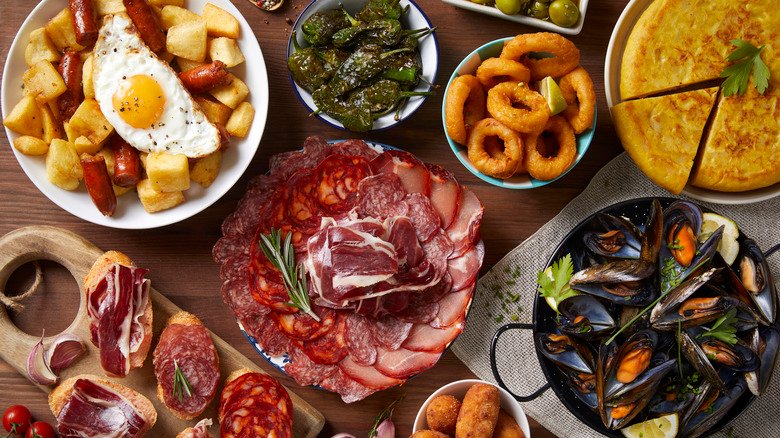
Picture this: I’m wandering the sun-drenched streets of Barcelona on my first trip to Spain, stomach rumbling after a long flight. The air’s thick with the scent of sizzling garlic and fresh seafood, pulling me toward a tiny tapas bar where locals chatter over plates of colorful bites. That moment hooked me on Spanish food—it’s not just eating; it’s a vibrant story of history, regions, and passion. From hearty stews in the north to zesty seafood along the coast, Spain’s cuisine blends Moorish influences, Roman roots, and New World ingredients like tomatoes and potatoes. Dive in with me as we explore the classics and hidden gems that make Spanish eating an unforgettable adventure.
The Essence of Spanish Cuisine
Spanish food thrives on simplicity and quality ingredients, often highlighting olive oil, garlic, and saffron. It’s regional at heart, shaped by the country’s diverse landscapes—from Mediterranean coasts teeming with fish to inland plains rich in game and grains. What sets it apart is the communal vibe; meals are meant for sharing, turning every bite into a social ritual. Think of it as a flavorful mosaic where history meets everyday life.
Iconic Traditional Dishes
These staples appear on tables across Spain, but each region adds its twist. They’re the building blocks of Spanish meals, often passed down through generations with a dash of family secrets.
Paella: The Golden Rice Masterpiece from Valencia
Paella isn’t just food—it’s a sunny afternoon in a pan, born in Valencia’s rice fields where farmers cooked whatever was handy over open fires. The authentic version mixes rabbit, chicken, and snails with saffron-infused rice, but seafood variations dazzle along the coast with prawns and mussels. I remember scorching my fingers on a beachside paella, the crispy socarrat bottom layer worth every blister—pure magic.
Tortilla Española: The Humble Potato Omelet
Don’t confuse this with a Mexican tortilla; Spain’s version is a thick, golden omelet of eggs, potatoes, and onions fried in olive oil. It’s everywhere—from breakfast bars to picnic baskets—and debates rage over whether to add chorizo or keep it pure. On a rainy day in Madrid, I bit into one still warm from the skillet, its fluffy interior melting like comfort in edible form; simple, yet it hits the soul.
Gazpacho: Andalusia’s Chilled Tomato Soup
Born in hot southern Spain, gazpacho is a refreshing blend of ripe tomatoes, cucumbers, peppers, and garlic, blended cold and drizzled with olive oil. It’s like drinking summer, evolved from ancient Roman bread soups to beat the Andalusian heat. I slurped a bowl in Seville during a sweltering siesta break, the tangy kick reviving me faster than any iced coffee ever could.
Jamón Ibérico: The King of Cured Hams
This melt-in-your-mouth ham comes from black Iberian pigs feasting on acorns, cured for years in mountain air. It’s sliced paper-thin and savored solo or in sandwiches. In a Granada market, I watched a master carver work his magic, each sliver a testament to patience and tradition—addictive, with a nutty depth that lingers.
Unique Regional Foods in Spain
Spain’s 17 regions each boast specialties tied to local terrain and traditions. Venturing off the beaten path reveals flavors you won’t find elsewhere, like smoky stews or grilled veggies with attitude.
Pintxos: Basque Country’s Artistic Bites
In the north, pintxos are elevated tapas on bread, skewered with toothpicks in San Sebastián bars. From anchovy-topped toasts to foie gras creations, they’re mini masterpieces. Bar-hopping there felt like a treasure hunt, each bite bursting with innovation—try the gilda (olive, anchovy, pepper skewer) for a salty punch that screams Basque pride.
Pulpo a la Gallega: Galicia’s Tender Octopus
Boiled octopus dusted with paprika and olive oil, served on wooden plates with potatoes—this Galician gem turns a sea creature into silky heaven. Coastal fishermen’s fare, it’s best with a crisp albariño wine. I braved my first tentacle in Santiago de Compostela after a pilgrimage hike, the tender chew surprising me with its subtle smokiness.
Calçots with Romesco Sauce: Catalonia’s Charred Onions
These grilled spring onions, dipped in nutty romesco (almonds, tomatoes, peppers), star in messy calçotadas festivals. Peel off the charred skin and dunk—pure fun. At a Barcelona farm feast, sauce dripped down my chin as laughter echoed; it’s communal chaos with a sweet, smoky reward.
Fabada Asturiana: Asturias’ Hearty Bean Stew
White beans simmered with chorizo, morcilla (blood sausage), and pork—this northern stew warms bones on foggy days. It’s cider country’s comfort food, rich and filling. Savoring it in Oviedo after a mountain trek, the smoky broth felt like a hug from the inside, perfect for rainy Spanish winters.
Cocido Madrileño: Madrid’s Multi-Course Stew
A Madrid classic, this chickpea-based stew layers meats, veggies, and broth into separate courses. From humble roots, it’s now a weekend ritual. I joined a local family for one, the progression from soup to stuffed peppers building like a flavorful symphony—nourishing and endlessly satisfying.
Tapas Culture: Small Plates, Big Experiences
Tapas aren’t just snacks; they’re a lifestyle, born from covering drinks with bread to shoo flies. Now, they’re free with beers in some spots, encouraging bar crawls. It’s social alchemy—order a few, chat, repeat.
- Patatas Bravas: Crispy potatoes with spicy tomato sauce and aioli—fiery and addictive.
- Gambas al Ajillo: Shrimp sizzling in garlic oil—juicy, with bread for sopping.
- Croquetas: Creamy fried bites filled with ham or cod—crunchy outside, oozy inside.
Spanish Meats and Cheeses: A Savory Symphony
Spain excels in cured meats and artisanal cheeses, often paired on charcuterie boards. From pungent blues to nutty sheeps’ milk varieties, they’re picnic essentials.
| Meat/Cheese | Region | Flavor Profile | Best Pairing |
|---|---|---|---|
| Jamón Serrano | Widespread | Salty, firm | Manchego cheese |
| Chorizo | North | Smoky, spicy | Rioja wine |
| Manchego | La Mancha | Nutty, crumbly | Quince paste |
| Cabrales | Asturias | Sharp, blue-veined | Cider |
| Morcilla | Various | Earthy, blood-based | Grilled peppers |
Sweet Treats: Indulgent Endings to Spanish Meals
Desserts here lean toward creamy custards or fried dough, often with Moorish honey influences. They’re not overly sweet, letting flavors shine.
Churros con Chocolate: Fried Dough Delight
Loop-shaped dough fried golden and dipped in thick hot chocolate—street food heaven. Madrid’s churrerías buzz at dawn. After a late-night flamenco show, I dunked mine, the crunch giving way to molten bliss; humorously messy, but who cares?
Crema Catalana: Catalonia’s Crème Brûlée Cousin
Custard topped with caramelized sugar, scented with cinnamon and lemon. Crack the crust for creamy joy. In Girona, it ended a feast perfectly, the citrus twist lightening the richness.
Turrón: Almond Nougat from Alicante
Honeyed almonds pressed into bars—Christmas staple, but year-round treat. Soft or hard varieties exist. Nibbling one on a train ride south, its chewiness evoked holiday cheer mid-summer.
Drinks to Complement Spanish Flavors
No meal’s complete without a sip. Spain’s wines and spirits enhance every dish.
Sangría: Fruity Wine Punch
Red wine mixed with fruit and brandy—refreshing for tapas. Avoid tourist traps; homemade shines. Poolside in Andalusia, it cooled me down, the citrus zing dancing with spicy bites.
Spanish Wines: From Rioja to Sherry
Rioja reds pair with meats, while sherry from Jerez elevates seafood. Explore varietals like tempranillo. Tasting in La Rioja’s vineyards, each glass told a soil story—earthy and elegant.
Traditional vs. Modern Spanish Cuisine: A Comparison
Traditional Spanish food focuses on rustic, ingredient-driven dishes, while modern twists fuse global influences. Compare paella: classic uses rabbit, innovative adds fusion elements like kimchi.
- Traditional Pros: Authentic, hearty, tied to heritage. Cons: Heavier, less experimental.
- Modern Pros: Creative, lighter options. Cons: Sometimes strays from roots, pricier.
For recipes, check this authentic paella guide or our internal Spanish tapas ideas.
People Also Ask: Common Questions on Spanish Food
Drawing from Google searches, here are real queries folks have about Spain’s eats.
What is the most famous food in Spain?
Paella tops the list, originating in Valencia with rice, saffron, and proteins like seafood or meat. It’s communal and flavorful, symbolizing Spanish hospitality.
What makes Spanish food unique?
Regional diversity and fresh ingredients set it apart—think olive oil bases, bold spices, and sharing culture. Influences from Moors to Americas create a melting pot of tastes.
What are some must-try unique dishes in Spain?
Beyond basics, sample calçots in Catalonia or pulpo in Galicia for regional flair. They’re tied to local traditions and festivals.
Where to find the best traditional Spanish food?
Head to markets like Madrid’s Mercado de San Miguel or regional spots like San Sebastián for pintxos. Avoid touristy areas for authenticity.
FAQ: Your Spanish Food Questions Answered
What is a typical Spanish breakfast?
Usually light: coffee with toast and tomato (pan con tomate) or churros. It’s quick, focusing on fresh bread and olive oil.
How do I make authentic paella at home?
Use bomba rice, saffron, and a wide pan. Sauté proteins first, add stock, and don’t stir for that crispy bottom. See this recipe for tips.
Is Spanish food spicy?
Not usually—mild paprika dominates, but dishes like patatas bravas add heat. It’s more about balanced flavors than fire.
What vegetarian options are there in Spanish cuisine?
Plenty: tortilla española (potato omelet), gazpacho, or pisto (veggie stew). Tapas bars often have olive and cheese plates.
Best wine to pair with tapas?
A light Rioja or cava bubbly complements variety. For seafood tapas, albariño whites shine.
Wrapping up, Spanish food isn’t just sustenance—it’s a passport to the country’s soul. From my mishaps with octopus tentacles to joyful paella feasts, it’s taught me to savor slowly and share generously. Whether you’re planning a trip or cooking at home, let these flavors transport you. Buen provecho!